
Sports , Fashion
How Active Living and Modern Fashion Shape Healthier Lifestyles

Introduction
Modern lifestyles have changed significantly over the past decade. Technology has made daily tasks easier, communication faster, and information more accessible than ever before. While these advancements have improved convenience, they have also contributed to increasingly sedentary habits. Many people spend long hours sitting at desks, working on computers, scrolling through mobile devices, or traveling in vehicles. As a result, physical inactivity has become one of the biggest challenges facing modern society.
At the same time, awareness about health, fitness, and personal well-being has grown rapidly. People are paying more attention to their daily habits, exercise routines, and overall quality of life. Sports participation is increasing worldwide, fitness centers continue to attract new members, and social media platforms are filled with content promoting healthier lifestyles.
Alongside these changes, fashion has evolved in remarkable ways. Clothing is no longer judged solely on appearance. Today’s consumers want apparel that combines style, comfort, functionality, and versatility. Modern fashion trends increasingly reflect the growing demand for active lifestyles, giving rise to sports-inspired clothing that can be worn both during exercise and in everyday life.
The connection between sports, fashion, and lifestyle is stronger than ever. Physical activity promotes health and well-being, while appropriate clothing supports comfort, confidence, and performance. Together, they create a powerful combination that encourages individuals to adopt healthier habits and maintain active routines.
This article explores how active living, sports culture, and modern fashion continue to influence everyday life while helping people build healthier and more balanced lifestyles.
The Rise of Active Living
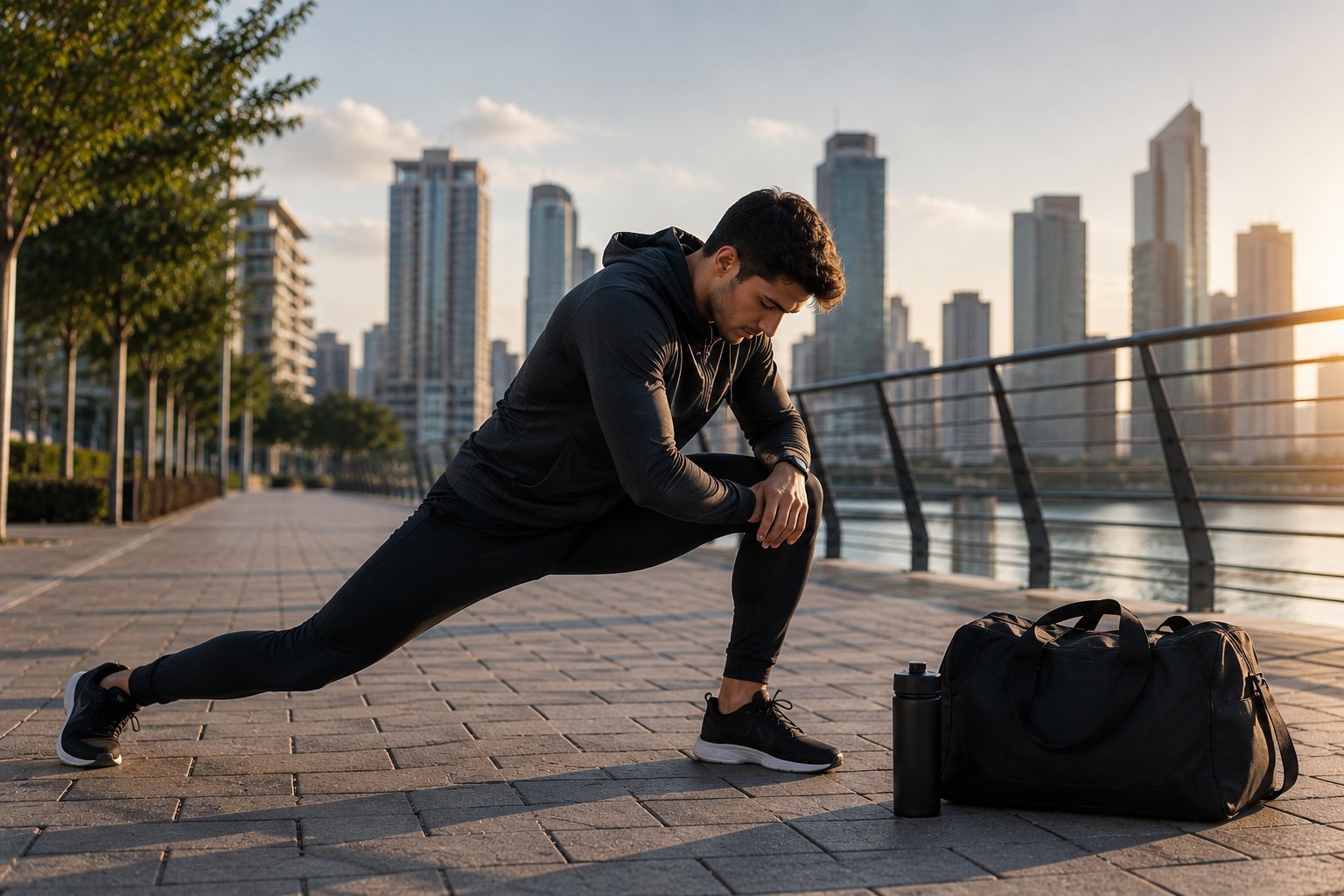
Active living has become an important part of modern culture. Unlike traditional exercise programs that focus on specific workout sessions, active living encourages people to incorporate movement into their daily routines.
Simple activities such as walking instead of driving short distances, taking the stairs instead of elevators, cycling to work, or participating in recreational sports can contribute significantly to overall health. These habits help people remain physically active without necessarily spending hours in a gym.
Many individuals are discovering that movement does not have to feel like a chore. Activities such as hiking, swimming, dancing, playing football, or joining fitness classes can be enjoyable while still providing substantial health benefits.
The popularity of active living reflects a growing understanding that physical activity is not only important for athletes but for everyone. Regardless of age or fitness level, regular movement contributes to improved physical and mental well-being.
Why Physical Activity Matters
Physical activity offers benefits that extend far beyond weight management or physical appearance. Consistent movement positively impacts nearly every aspect of human health.
Improved Cardiovascular Health
Exercise strengthens the heart and improves circulation throughout the body. Activities such as running, swimming, cycling, and brisk walking help maintain healthy blood pressure levels and support long-term cardiovascular function.
Better Mental Health
Physical activity has a well-documented relationship with mental well-being. Exercise can help reduce stress, improve mood, and promote feelings of relaxation. Many people find that participating in sports or fitness activities provides a healthy escape from daily pressures.
Increased Energy and Productivity
Although exercise requires physical effort, regular activity often leads to higher energy levels. Improved circulation allows oxygen and nutrients to move more efficiently throughout the body, helping individuals remain productive and focused throughout the day.
Improved Sleep Quality
Active individuals frequently experience better sleep patterns. Quality sleep plays a critical role in recovery, concentration, emotional balance, and overall health.
Long-Term Wellness
Maintaining an active lifestyle can contribute to better mobility, improved flexibility, and greater independence as people age. These benefits highlight the importance of regular movement throughout all stages of life.
Sports as a Lifestyle Choice
Sports have evolved from organized competitions into lifestyle choices embraced by millions of people worldwide. Participation in sports offers numerous benefits beyond physical fitness.
Team sports such as football, basketball, and volleyball encourage communication, teamwork, and discipline. Individual activities like running, swimming, tennis, and martial arts help develop self-motivation, focus, and personal responsibility.
Sports also provide opportunities for social interaction. Local clubs, recreational leagues, and community events allow people to connect with others who share similar interests.
Many individuals begin participating in sports simply to improve their fitness but continue because they enjoy the sense of achievement, friendship, and personal growth that sports provide.
The Growth of Fitness Culture
Fitness culture has expanded dramatically in recent years. Advances in technology have made health information more accessible than ever before, allowing people to learn about exercise, nutrition, and wellness from virtually anywhere.
Fitness applications, wearable devices, online coaching platforms, and virtual workout programs have transformed how people approach physical activity. Individuals can now track daily steps, monitor heart rate, analyze workout performance, and set personal goals using simple digital tools.
Social media has also played a major role in promoting fitness culture. Trainers, athletes, and fitness enthusiasts regularly share educational content, workout routines, and motivational stories that inspire others to become more active.
This accessibility has removed many barriers that previously prevented people from pursuing healthier lifestyles.
Fashion’s Role in Active Living
Fashion is often associated with self-expression and personal style, but it also plays a practical role in supporting active lifestyles.
Modern sportswear is designed to improve comfort, mobility, and performance during physical activity. Advanced fabrics help regulate body temperature, manage moisture, and provide flexibility that allows individuals to move freely.
Consumers increasingly prefer clothing that supports both function and appearance. As a result, sportswear has become a significant part of everyday fashion.
People want clothing that looks good while helping them remain comfortable throughout busy schedules. Sports-inspired fashion successfully meets these expectations.
The Evolution of Sports Fashion
Sports fashion has undergone a remarkable transformation over the years. Previously, athletic clothing was designed almost exclusively for sports participation and training purposes.
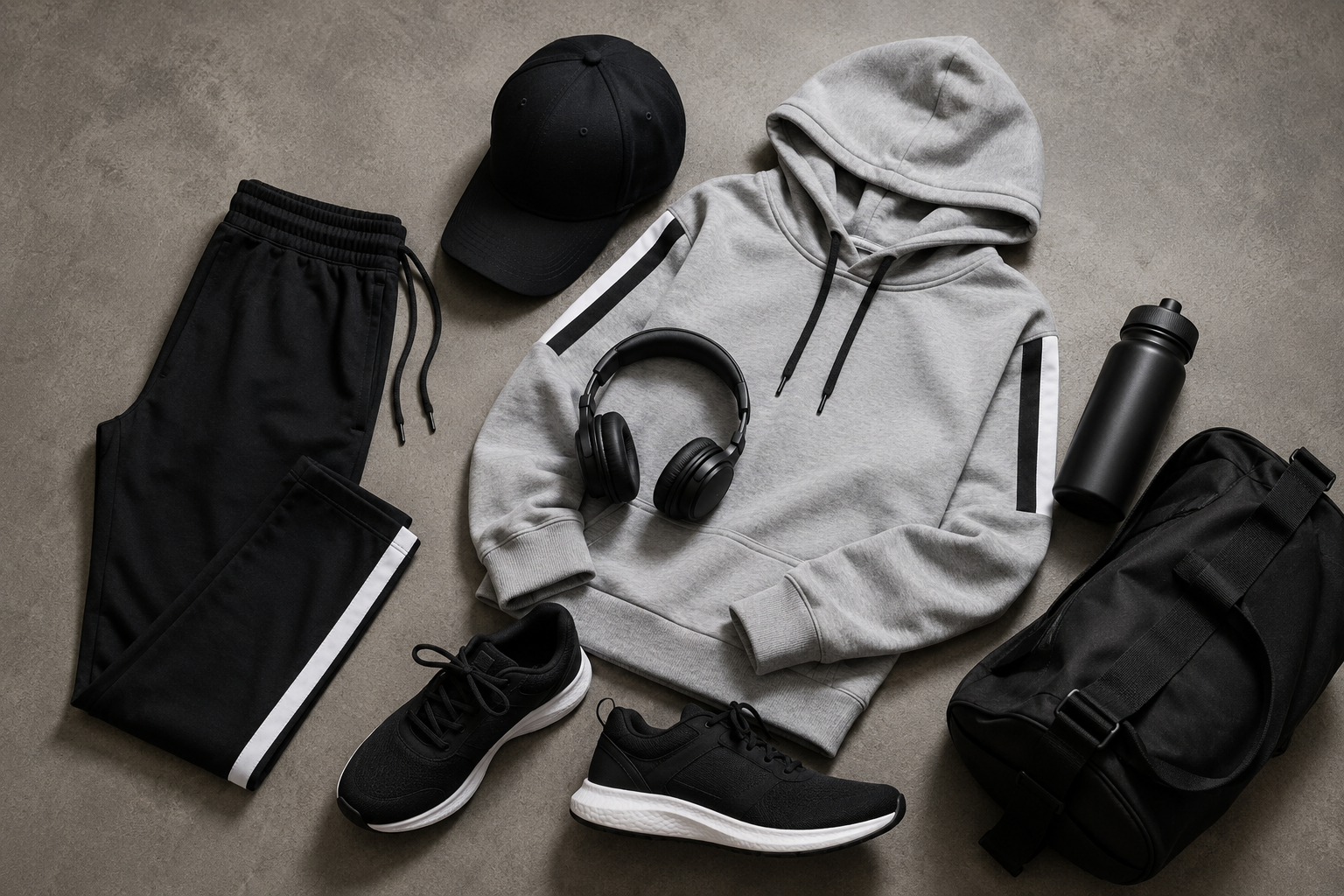
Today, sportswear has become one of the most influential sectors of the fashion industry. Sneakers, hoodies, track pants, performance jackets, and athletic-inspired accessories have become common features of everyday wardrobes.
This shift reflects changing consumer priorities. Modern lifestyles require versatility, and sportswear provides clothing that adapts easily to multiple situations throughout the day.
The combination of comfort, functionality, and style has made sports fashion increasingly popular among people of all ages.
The Rise of Athleisure
One of the most significant trends shaping modern fashion is athleisure.
Athleisure combines athletic performance with casual style, creating clothing that is suitable for both exercise and everyday activities. Leggings, joggers, performance sneakers, and athletic jackets have become essential wardrobe staples.
The popularity of athleisure demonstrates how consumers value practicality and comfort. Many individuals appreciate clothing that allows them to transition seamlessly between work, travel, exercise, and social activities.
Athleisure has blurred the line between traditional sportswear and everyday fashion, creating a new category that continues to grow globally.
Athletes as Fashion Influencers
Athletes have become some of the most influential figures in modern fashion. Their impact extends far beyond sports arenas and stadiums.
Professional athletes frequently collaborate with major fashion brands, launch clothing collections, and appear in advertising campaigns that influence consumer preferences worldwide.
Their style choices often inspire fashion trends that spread rapidly through social media platforms and popular culture.
Consumers admire athletes not only for their performance but also for their dedication, confidence, and lifestyle. Sports fashion often reflects these qualities, making it particularly appealing to modern audiences.
Confidence and Personal Expression
Clothing can influence how people feel about themselves. While fashion cannot replace skill or preparation, it can contribute to confidence and self-expression.
Many individuals feel more motivated to participate in physical activities when they are comfortable with what they are wearing. Properly fitted sportswear can improve freedom of movement while reducing distractions during exercise.
Fashion also allows people to express their personality and preferences. From minimalist athletic apparel to bold sports-inspired designs, clothing helps individuals communicate aspects of their identity.
This connection between fashion and confidence contributes to the popularity of modern sportswear.
The Importance of Proper Footwear
Footwear remains one of the most important aspects of sports fashion.
Different activities place different demands on the body. Running shoes are designed to absorb impact, training shoes provide stability during workouts, and hiking boots offer support on uneven terrain.
Choosing appropriate footwear can improve comfort, support performance, and reduce the risk of injury. Many experts consider quality footwear one of the most valuable investments for active individuals.
Modern athletic footwear also reflects broader fashion trends, making sneakers an important part of both sports culture and everyday style.
Technology and Innovation in Sportswear
Technology continues to shape the future of sports fashion.
Manufacturers are developing innovative fabrics that improve performance, durability, and comfort. Features such as moisture-wicking materials, temperature regulation, and lightweight construction enhance the overall user experience.
Wearable technology is also becoming increasingly integrated into active lifestyles. Smart watches, fitness trackers, and connected devices allow users to monitor various aspects of their health and performance.
As technology advances, sportswear will likely become even more personalized and functional.
Sustainability in Modern Sports Fashion
Environmental responsibility has become an important consideration within the fashion industry.
Consumers increasingly seek products that align with sustainable values. In response, many sportswear companies are adopting environmentally friendly materials, reducing waste, and improving manufacturing practices.
Recycled fabrics, ethical sourcing, and sustainable production methods are becoming more common throughout the industry.
Sustainability represents an important step toward creating products that support both personal well-being and environmental health.
Building a Balanced Lifestyle
Creating a healthy lifestyle involves more than exercise or fashion alone. True wellness requires balance across multiple areas of life.
Successful wellness habits often include:
. Regular physical activity
. Healthy nutrition
. Quality sleep
. Stress management
. Hydration
. Positive relationships
. Consistent self-care
Sports and active living provide a practical foundation for many of these habits. Fashion complements the process by supporting comfort, confidence, and functionality.
Small improvements practiced consistently often produce meaningful long-term results.
Conclusion
Sports, active living, and modern fashion have become closely connected in today’s world. Together, they influence how people move, dress, and approach personal well-being.
Physical activity supports health, fitness, and mental wellness, while sports-inspired fashion provides comfort, confidence, and versatility. The rise of active lifestyles has transformed consumer expectations, leading to clothing that performs as well as it looks.
As technology, sustainability, and innovation continue shaping the future, the relationship between sports and fashion will likely grow even stronger. Whether someone is an athlete, a fitness enthusiast, or simply looking to live a healthier life, the combination of active living and modern fashion can play an important role in achieving long-term well-being.
Ultimately, healthier lifestyles are built through daily choices, and both sports and fashion can help individuals make those choices with greater confidence, comfort, and consistency.
The Evolution of Sports Fashion
Sports fashion has transformed from simple athletic clothing into a powerful global industry that influences lifestyle, entertainment, fitness, and modern culture. In earlier years, sportswear was designed mainly for athletes and physical performance. Today, it has become a major part of everyday fashion, worn by people of all ages regardless of their involvement in sports.
Modern consumers now look for clothing that combines comfort, style, flexibility, and functionality. Sports-inspired outfits are no longer limited to gyms, stadiums, or training centers. They are commonly seen in offices, universities, shopping malls, airports, and social gatherings.
This evolution has created a strong connection between sports culture and fashion trends. Athletic brands now influence streetwear, luxury fashion, and even digital culture. The popularity of sports fashion continues to grow because it reflects both performance and personal identity.
Comfort as a Modern Fashion Priority
One of the biggest reasons behind the success of sports fashion is comfort. People now prefer clothing that allows freedom of movement while still looking stylish and modern.
Traditional formal wear is gradually being replaced by more relaxed and flexible fashion choices. Consumers are prioritizing breathable fabrics, lightweight materials, and comfortable designs that support daily activities.
Sports-inspired fashion meets these expectations by offering practical clothing that fits both active and casual lifestyles. Joggers, hoodies, sneakers, oversized shirts, and performance jackets have become essential fashion pieces for modern wardrobes.
Comfort has become a central factor in fashion purchasing decisions, especially among younger generations who value practicality and versatility.
The Influence of Athletes on Fashion Trends
Athletes now play a major role in shaping global fashion culture. Popular sports personalities influence millions of fans through social media, public appearances, endorsements, and collaborations with fashion brands.
Many professional athletes have become style icons whose fashion choices impact global trends. Fans often follow their favorite players not only for sports performance but also for lifestyle inspiration.
Sports brands regularly collaborate with athletes to launch limited-edition collections, signature footwear, and exclusive apparel lines. These partnerships create strong emotional connections between consumers and brands.
Athlete-driven fashion has helped sportswear become more fashionable, modern, and socially influential.
Streetwear and Sports Culture
Streetwear has become closely connected with sports fashion in recent years. Urban fashion styles inspired by basketball, football, skateboarding, and hip-hop culture have influenced global clothing trends.
Sneakers, oversized clothing, caps, varsity jackets, and athletic-inspired accessories are now considered mainstream fashion items. Many luxury fashion brands have also adopted sportswear elements into their collections.
The fusion of streetwear and sports culture has created a new style movement that appeals to younger audiences around the world. Fashion today is less about strict dress codes and more about individuality and personal expression.
Sportswear allows people to combine comfort with confidence while maintaining a modern appearance.
Technology in Sports Fashion
Technology is playing an increasingly important role in the sports fashion industry. Clothing brands are using innovative materials and advanced manufacturing techniques to improve performance and comfort.
Modern sportswear now includes moisture-resistant fabrics, temperature-regulating materials, lightweight designs, and flexible performance textiles. These innovations improve athletic performance while also enhancing everyday comfort.
Some companies are even exploring wearable technology integrated into clothing, including smart fabrics that track movement, monitor health data, and support fitness goals.
Technology continues to reshape how sports fashion is designed, produced, and experienced by consumers.
Sustainability in the Fashion Industry
Sustainability has become a major focus in modern sports fashion. Consumers are becoming more aware of environmental issues and expect brands to operate responsibly.
Many fashion companies are now using recycled materials, eco-friendly packaging, and sustainable production methods. Ethical sourcing and environmentally conscious manufacturing practices are gaining importance across the industry.
Sportswear brands are investing heavily in sustainability because modern customers often prefer companies that support environmental responsibility.
Sustainable fashion is no longer considered a temporary trend. It is becoming an important part of long-term business strategies within the fashion world.
Fitness Culture and Lifestyle Branding
The global rise of fitness culture has significantly influenced sports fashion. More people are focusing on health, exercise, wellness, and active lifestyles than ever before.
Fitness influencers, gym culture, online workout programs, and health-focused social media content have increased demand for stylish activewear. Consumers want clothing that supports both physical activity and fashionable appearance.
Modern sportswear brands are no longer selling only products. They are promoting entire lifestyles connected to confidence, health, energy, and motivation.
Lifestyle branding has become one of the strongest marketing strategies in the sports fashion industry.
Social Media and Fashion Visibility
Social media platforms have transformed how fashion trends spread across the world. Sports fashion brands now use influencers, athletes, and digital creators to promote products directly to global audiences.
Platforms like Instagram, TikTok, and YouTube play a major role in shaping consumer preferences. Viral fashion trends can quickly influence millions of people within days.
Sportswear brands focus heavily on visual marketing, short-form video content, and influencer partnerships to increase visibility and customer engagement.
Digital platforms have made fashion trends faster, more competitive, and more globally connected than ever before.
The Rise of Sneaker Culture
Sneakers have become one of the most important symbols in modern sports fashion. Originally designed for athletic performance, sneakers are now major fashion statements and collectible items.
Limited-edition releases, celebrity collaborations, and exclusive designs have created strong demand in the sneaker market. Some rare sneaker collections are even sold for extremely high prices.
Sneaker culture combines fashion, sports, entertainment, and social identity. Many consumers view sneakers as part of their personality and lifestyle rather than simple footwear.
The popularity of sneakers continues to grow across both luxury and mainstream fashion industries.
Gender-Neutral Sports Fashion
Fashion trends are becoming more inclusive and flexible. Many sportswear brands are now creating gender-neutral collections that focus on comfort, individuality, and universal style.
Consumers increasingly prefer fashion that allows self-expression without traditional limitations. Oversized hoodies, loose-fit tracksuits, and minimalist designs appeal to a wide audience regardless of gender categories.
Inclusive fashion strategies also help brands reach larger markets and connect with modern consumer values.
Sports fashion is evolving toward greater diversity, flexibility, and personal identity.
The Role of Sports Events in Fashion Promotion
Major sports events often influence fashion trends worldwide. International tournaments, championships, and athletic competitions create strong visibility for sportswear brands.
Athletes frequently showcase new collections, footwear designs, and sponsor collaborations during global sporting events. Fans closely follow these appearances, which increases product demand and media attention.
Fashion companies invest heavily in sponsorships because sports events provide direct exposure to massive international audiences.
The connection between sports entertainment and fashion marketing continues to strengthen every year.
Youth Culture and Sportswear Popularity
Young consumers are one of the biggest driving forces behind modern sports fashion trends. Teenagers and young adults often prefer casual and athletic-inspired outfits over formal clothing styles.
Youth culture values creativity, individuality, and comfort. Sportswear supports these preferences by offering versatile clothing suitable for different environments and lifestyles.
Fashion trends among younger generations spread quickly through social media, online communities, and celebrity influence. Sports fashion brands constantly adapt to changing youth preferences to remain competitive.
Youth-driven fashion trends often shape the direction of the global apparel industry.
Luxury Fashion and Athletic Influence
Luxury fashion brands are increasingly incorporating sportswear elements into their collections. High-end designers now create sneakers, tracksuits, hoodies, and performance-inspired outfits for premium markets.
This blend of luxury and sports fashion reflects changing consumer preferences. Modern buyers often prefer stylish but comfortable clothing rather than overly formal designs.
Collaborations between luxury labels and sportswear companies have become highly successful in recent years. These partnerships attract both fashion enthusiasts and sports fans.
The integration of sportswear into luxury fashion has expanded the global influence of athletic style.
Digital Shopping and Fashion Accessibility
Online shopping has made sports fashion more accessible to consumers around the world. Customers can now explore global brands, compare prices, and purchase products directly through digital platforms.
E-commerce has allowed smaller fashion businesses to compete with larger brands by reaching broader audiences online. Social commerce and mobile shopping apps have also increased customer convenience.
Digital technology helps fashion companies personalize customer experiences through recommendations, targeted advertising, and virtual shopping tools.
The future of sports fashion will continue to rely heavily on online retail and digital customer engagement.
Sports Fashion as Personal Identity
Fashion has become an important part of self-expression, and sportswear plays a major role in this trend. People often choose clothing that reflects their personality, lifestyle, and social identity.
Sports-inspired outfits communicate confidence, energy, independence, and modernity. Consumers use fashion to express individuality while connecting with popular cultural trends.
This emotional connection between fashion and identity helps sportswear maintain long-term popularity across different age groups and markets.
Modern fashion is not only about appearance but also about personal representation and lifestyle choices.
Innovation and Future Fashion Trends
The future of sports fashion will likely focus on innovation, sustainability, personalization, and digital integration. Brands are expected to continue developing smarter materials, eco-friendly production systems, and advanced wearable technologies.
Artificial intelligence and data analytics may also influence fashion recommendations, customer experiences, and product development. Personalized shopping experiences are becoming more common in modern retail environments.
Consumers will continue demanding products that combine comfort, performance, sustainability, and style.
Fashion companies that remain adaptable and innovative will likely maintain stronger positions in future global markets.
The Economic Power of Sports Fashion
The sports fashion industry has become one of the most profitable sectors in the global economy. Large sportswear companies generate billions of dollars through apparel, footwear, accessories, sponsorships, and digital marketing.
The industry also supports employment, manufacturing, logistics, advertising, and online commerce across multiple countries.
As global interest in fitness, lifestyle branding, and casual fashion continues to grow, the economic influence of sports fashion is expected to expand even further.
Sports fashion is now much more than a clothing trend. It is a major cultural and financial force in modern society.
Conclusion
Sports fashion has evolved into a powerful combination of comfort, performance, culture, and modern lifestyle. What began as functional athletic wear has become one of the most influential industries in global fashion.
Technology, social media, sustainability, and fitness culture continue shaping the future of sports-inspired clothing. Consumers now seek fashion that supports both personal style and practical everyday use.
As the industry continues evolving, sports fashion will remain closely connected to innovation, identity, and changing consumer lifestyles. Brands that focus on quality, adaptability, and meaningful customer experiences will continue leading the future of modern fashion.
Introduction
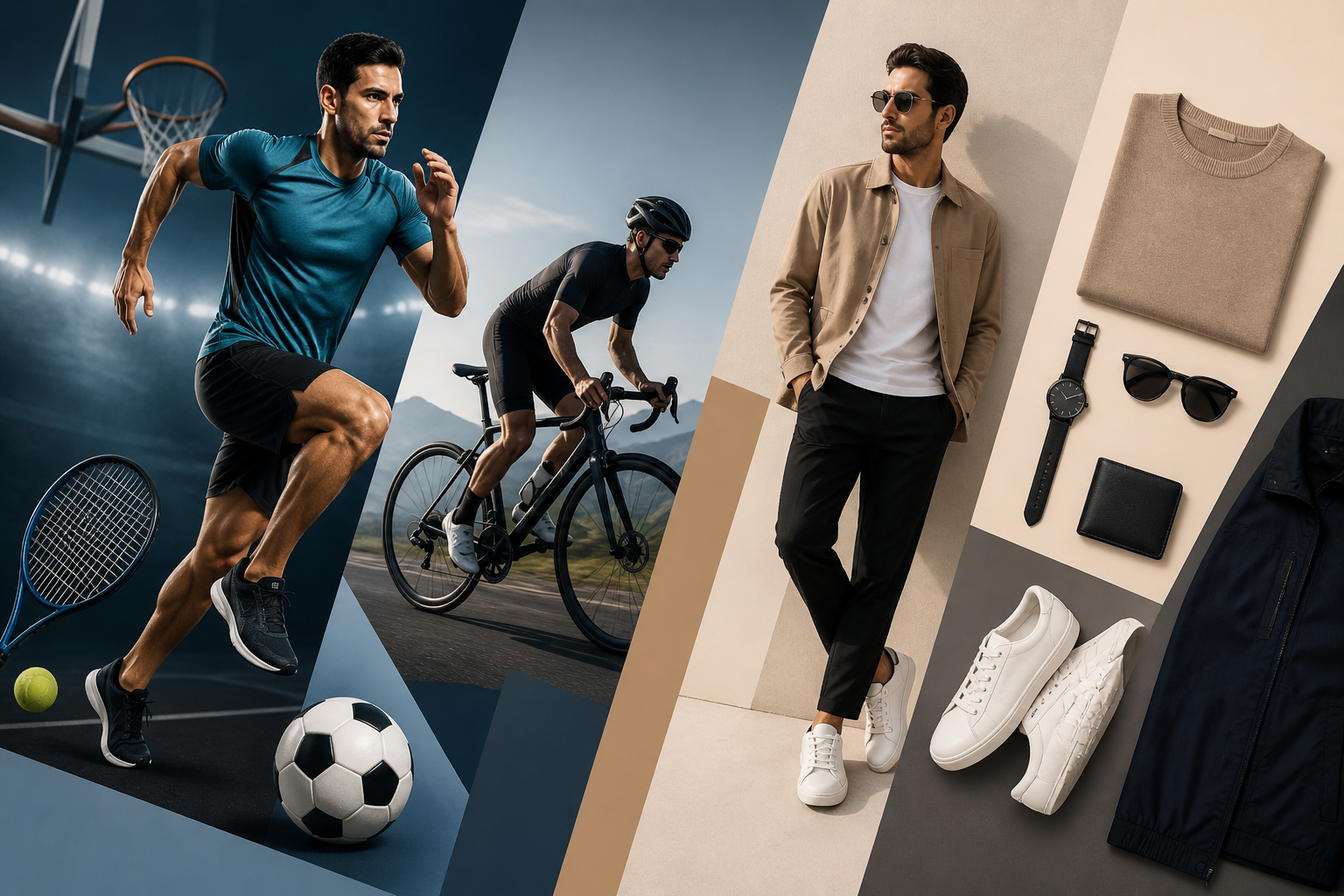
Over the past decade, the worlds of sports and fashion have merged in ways that were once unimaginable. What used to be two completely separate industries—one focused on performance and the other on aesthetics—has now evolved into a powerful combination shaping modern culture, lifestyle, and even business.
Today, athletes are not just known for their performance on the field; they are global style icons. Similarly, fashion brands are no longer limited to runways—they are actively collaborating with sports organizations and athletes to create innovative, functional, and stylish products.
This fusion of sports and fashion is more than just a trend. It represents a shift in how people perceive identity, comfort, and self-expression in everyday life.
The Evolution of Sportswear into Fashion
Not too long ago, sportswear was designed purely for functionality. Comfort, flexibility, and durability were the only priorities. However, things began to change when consumers started demanding more from their clothing.
Athleisure emerged as a game-changer.
Athleisure refers to clothing that is designed for athletic activities but is also stylish enough to be worn casually. This category has grown rapidly because it perfectly fits modern lifestyles—people want outfits that can transition seamlessly from the gym to social settings.
Brands like Nike, Adidas, and Puma have played a significant role in this transformation. They have introduced collections that combine performance technology with modern design, making sportswear a staple in everyday wardrobes.
Athletes as Fashion Influencers
In today’s digital age, athletes are no longer just sports figures—they are influencers with massive global reach.
Take Cristiano Ronaldo and LeBron James as examples. Both have built strong personal brands that extend far beyond sports. Their fashion choices influence millions of fans worldwide.
Athletes collaborate with fashion houses, launch their own clothing lines, and set trends that quickly spread across social media. This influence has helped bridge the gap between sports and fashion even further.
The Rise of Athleisure Culture
Athleisure is not just a fashion trend—it’s a lifestyle movement.
People today prioritize comfort without compromising style. Whether it’s running errands, working from home, or meeting friends, athleisure provides a perfect balance.
Key features of athleisure include:
. Breathable fabrics
. Stretchable materials
. Minimalist yet stylish designs
. Versatility across different settings
This trend has been accelerated by changing work environments and the growing focus on health and fitness.
Technology in Sports Fashion
Technology has played a crucial role in shaping modern sports fashion. From moisture-wicking fabrics to smart wearables, innovation continues to push the boundaries.
Brands are investing heavily in research and development to create products that enhance performance while maintaining style. For example:
. Temperature-regulating fabrics
. Lightweight materials for better mobility
. Smart clothing with fitness tracking features
This integration of technology ensures that sports fashion remains relevant in a fast-changing world.
Sustainability in Sports and Fashion
As awareness about environmental issues grows, sustainability has become a major focus in both sports and fashion industries.
Consumers are now more conscious about what they wear and how it impacts the planet. As a result, brands are adopting eco-friendly practices such as:
. Using recycled materials
. Reducing carbon footprints
. Promoting ethical manufacturing
This shift is not only beneficial for the environment but also enhances brand reputation and customer loyalty.
The Business Impact of Sports Fashion
The combination of sports and fashion has created massive business opportunities.
The global athleisure market is growing rapidly, driven by increasing demand for comfortable and stylish clothing. Companies are leveraging this trend by:
. Expanding product lines
. Collaborating with influencers
. Investing in digital marketing
This industry is expected to continue its upward trajectory, making it one of the most profitable sectors in the coming years.
Social Media and Trend Acceleration
Social media platforms have played a key role in the growth of sports fashion.
Platforms like Instagram and TikTok allow trends to spread quickly. A single post by a popular athlete or influencer can make a product go viral overnight.
This instant visibility has changed how brands market their products and interact with consumers.
Styling Tips: How to Combine Sports and Fashion
If you want to embrace the sports-fashion trend, here are some practical tips:
1. Mix and Match
Pair athletic pieces like joggers with casual items such as denim jackets.
2. Focus on Footwear
Sneakers are the backbone of sports fashion. Invest in versatile designs that match multiple outfits.
3. Keep It Minimal
Simple and clean designs often make the strongest impact.
4. Prioritize Comfort
Always choose clothing that feels good to wear.
Future Trends in Sports Fashion
The future of sports fashion looks promising, with several exciting trends on the horizon:
. Increased use of AI in design
. Growth of sustainable materials
. Personalized clothing experiences
. Expansion of digital fashion (virtual outfits)
These trends indicate that the relationship between sports and fashion will continue to evolve.
Conclusion
The fusion of sports and fashion has redefined modern lifestyles. It has transformed how people dress, express themselves, and interact with global trends.
From athletes becoming fashion icons to the rise of athleisure and sustainable practices, this industry continues to innovate and inspire.
As we move forward, one thing is clear: sports and fashion are no longer separate worlds—they are part of a unified culture that values performance, style, and individuality.

How to Use ChatGPT to Write a Research Proposal the Right Way

Best Free AI Code Generators to Try in 2026

AI and Code: How Artificial Intelligence Is Reshaping Software Development

The Transformative Benefits of Artificial Intelligence in Modern Life

AI, SaaS, SEO & Link Building: The New Operating System of Digital Growth

Why Email Marketing Still Drives Real Business Growth in 2026
-
 Tech , SaaS5 months ago
The Transformative Benefits of Artificial Intelligence in Modern Life
-
 Tech , SaaS5 months ago
AI, SaaS, SEO & Link Building: The New Operating System of Digital Growth
-
 Email Marketing4 months ago
Why Email Marketing Still Drives Real Business Growth in 2026
-

 Business , Finance5 months ago
Business & Finance in the Modern World: Strategies, Trends, and Sustainable Growth
-
 Sports , Fashion5 months ago
Sports & Fashion: The Perfect Blend of Performance, Style, and Modern Lifestyle
-

 Email Marketing5 months ago
Email Marketing in 2026: The Ultimate Strategy for Growth, Engagement, and Conversions
-

 Business , Finance5 months ago
The New Economy: How Digital Innovation, Behavioral Finance, and Smart Systems Are Redefining Global Business
-

 Health , Education5 months ago
Health and Education: The Foundation of a Strong and Successful Society